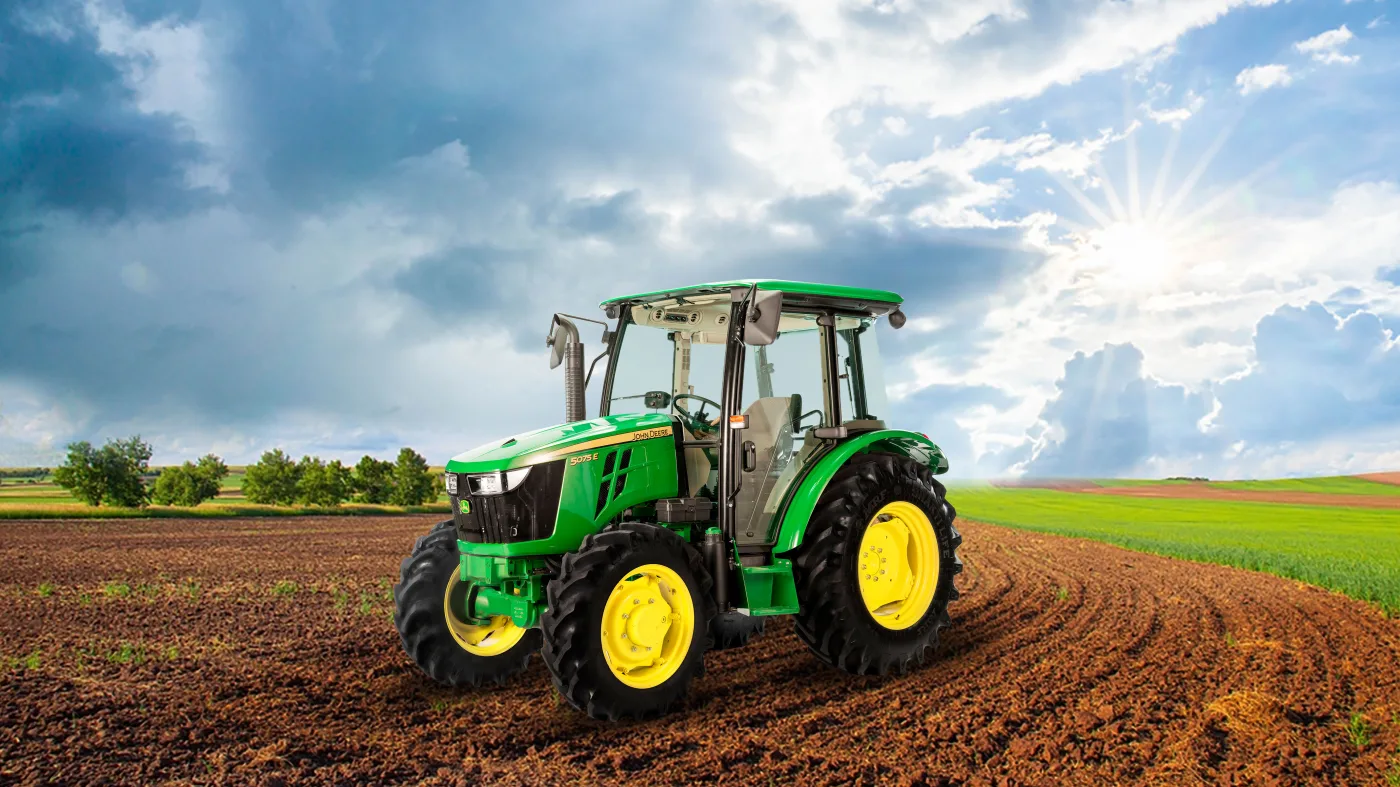
A John Deere tractor throwing a hydraulic fault code doesn't care how long you've been turning wrenches. Without the correct wiring diagram or fault code chart for that exact model and serial range, you're left pulling connectors and guessing. Anyone who's worked on Deere equipment for more than a season knows the brand's documentation habits reward patience — and punish shortcuts.
John Deere has built equipment across so many platforms, production years, and regional configurations that two tractors wearing the same model badge can have different hydraulic layouts, different engine ECUs, or a mid-run electrical revision that changes which wire goes where. That's not a flaw in the equipment. It's just how a manufacturer this large operates, and it's exactly why finding the right manual matters more than finding a manual.
Why "John Deere" Isn't Enough on Its Own
A model number tells you the tractor family. It doesn't tell you the engine tier, the transmission type, or which electrical revision is under the hood. Deere's own technical publications are organized by serial number range for a reason — components get updated mid-production, and a repair procedure written for an early-run machine can be flat wrong for one built eighteen months later carrying the same model name.
Before relying on any manual, pull the serial number plate. It's usually on the frame near the front axle on tractors, or stamped on the engine block itself. That number, cross-referenced against the manual's stated coverage range, is what actually confirms you're looking at the right document — not the model number alone.
What's Actually in a John Deere Service Manual
Factory and workshop manuals for Deere equipment typically cover disassembly and reassembly procedures, torque specifications, hydraulic and electrical schematics, and diagnostic trouble code charts. For most mid-size and large tractors, this content is split by system — engine, PTO, hydraulics, electrical — rather than bundled into one generic document.
Parts catalogs are a separate thing entirely. These are organized around exploded diagrams tied to part numbers, which matters because components that look identical across two model years are frequently not interchangeable. Ordering by visual match instead of confirmed part number is one of the more common and avoidable mistakes owners make.
Operator manuals are different again — they cover controls, routine maintenance intervals, and safe operating procedure, not internal repair work. If you're chasing a hydraulic leak or a transmission issue, an operator's manual simply wasn't written to help with that.
Where Owners Actually Get Stuck
A few patterns show up again and again with Deere equipment:
Serial number mismatches. A manual bought for "the right model" but the wrong production range, leading to wiring diagrams or torque specs that don't match the actual machine.
Treating all documentation as interchangeable. An operator's manual won't walk you through a hydraulic pump rebuild, and a parts catalog won't tell you a fault code's meaning.
Skipping the safety sections. Deere's service documentation includes specific lockout and pressure-relief procedures for hydraulic work, and these exist because stored pressure in a hydraulic system doesn't forgive guesswork.
Assuming regional uniformity. Deere equipment sold in different markets sometimes carries different emissions hardware or electrical configurations even under the same model designation, which affects which manual actually applies.
None of these mistakes are about lack of skill. They're about documentation — specifically, about not confirming the match between the manual and the machine before starting work.
Getting the Right Documentation in Hand
The practical fix is straightforward, even if it takes an extra few minutes: confirm the serial number before you order or download anything, and check that the manual explicitly states coverage for that range rather than just the model family. If a listing doesn't mention a serial range at all, that's worth asking about before you rely on it.
Best Manual Source lists John Deere documentation organized by model and the serial ranges each manual actually covers, which is the detail that matters most when you're trying to confirm a match before starting a repair. It's worth noting this applies to digital, third-party manual listings generally — checking stated coverage against your equipment's actual serial number is good practice no matter where a manual comes from.
The Bottom Line
Good documentation doesn't make a repair effortless, and no manual eliminates the need for careful diagnostic work. What it does is remove the guesswork around specs, procedures, and part fitment — which is where most unnecessary time and cost actually come from. For John Deere equipment specifically, where production changes happen often enough to matter, confirming the serial number before you trust any manual is the single habit that saves the most time in the long run.